SodaMelt Official Website › Blog › SodaMelt Probiotic
SodaMelt probiotic: a live culture with no count on the label
The SodaMelt probiotic is Lactobacillus acidophilus, a live bacterial culture, and it sits last in the blend. The label gives its name and its place in the order but not its strength. This page explains what that means and what to do about it.
The SodaMelt probiotic is Lactobacillus acidophilus, eleventh of eleven in the 250 mg blend, so the lightest thing in the capsule. The label prints no CFU count, and probiotic trials with results used 3 to 8 billion CFU a day. Without a figure, the amount here is not knowable, and no benefit is claimed on the carton.
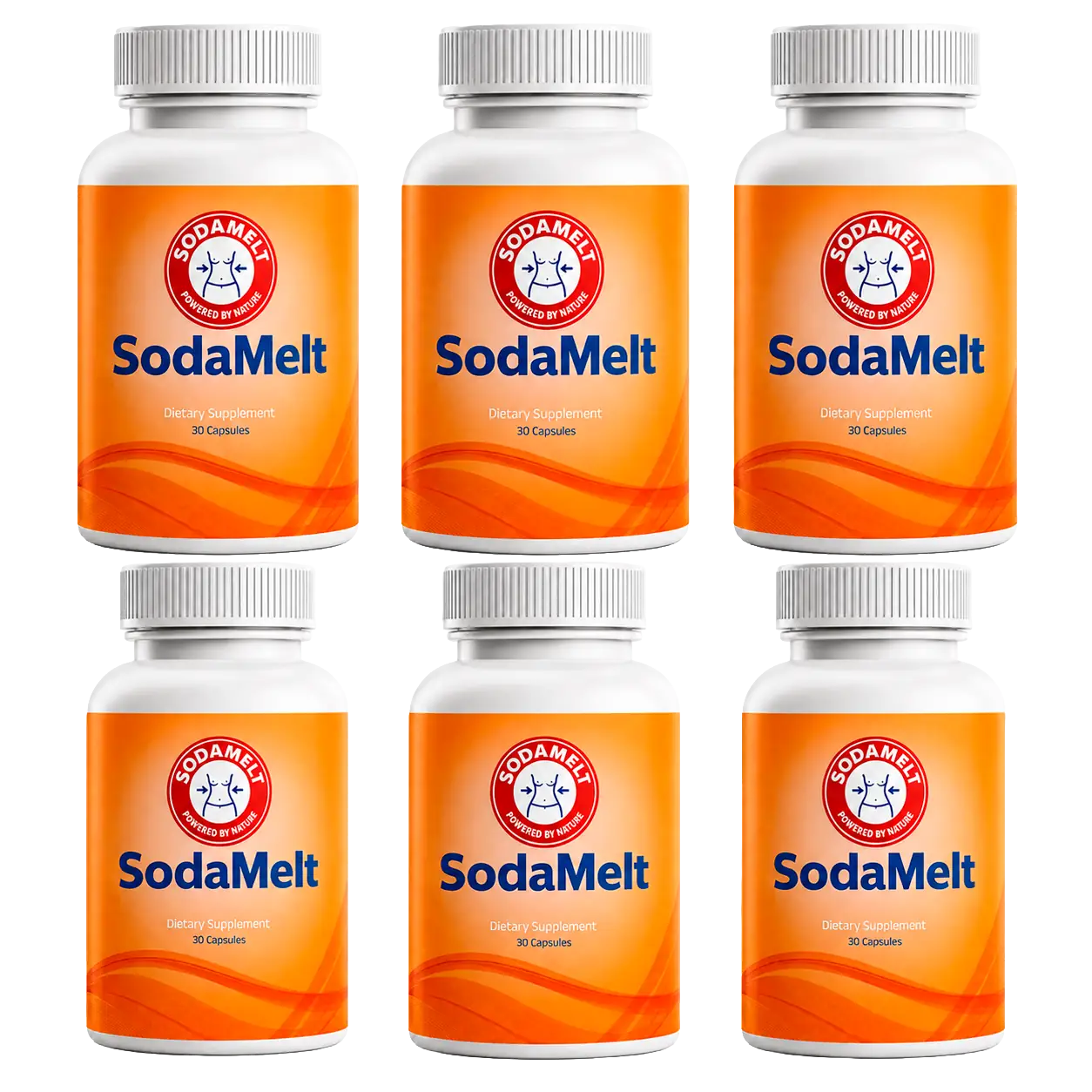
- Lactobacillus acidophilus is entry 11 of 11 in the blend, so it is the lightest by weight.
- The label declares no CFU count. Probiotic trials count CFU, not milligrams.
- Trials with results behind them used 3 to 8 billion CFU a day.
- Split evenly, the eleven entries would average about 23 mg each, but no split is published.
- Storage asks for a cool, dry place away from heat and light.
- No benefit claim is printed on the carton.
SodaMelt is a dietary supplement. It is not a drug and it is not FDA approved, and no supplement is. These statements have not been evaluated by the Food and Drug Administration. This product is not intended to diagnose, treat, cure or prevent any disease. For a medical question, ask your doctor or pharmacist.
Where is the SodaMelt probiotic on the label?
Last. The blend lists its eleven entries in descending order of weight, as the regulation requires. Oat straw comes first and Lactobacillus acidophilus comes eleventh. So the culture is the lightest member of the 250 mg blend, and the panel says nothing more about it. There is no strain designation and no CFU figure.
The seller's own information describes the entry as a live culture with no CFU declared. That is the whole of what is published, and it is a clear disclosure of a gap. Naming the organism is more than some labels do. Counting it is what the label leaves out.
Why does a missing CFU count matter for the SodaMelt probiotic?
Probiotic research counts colony-forming units, CFU. It does not count milligrams. A culture can weigh almost nothing and still hold billions of organisms, and a heavy powder can hold very few live ones. So weight, which is all the blend order gives you, cannot tell you the strength of the culture.
Trials with results behind them used 3 to 8 billion CFU a day. One was a randomised trial of probiotic sachets. Another was a controlled study using the Lactobacillus acidophilus NCFM strain in a yogurt. Without a count on this label, the amount in a capsule is not knowable, and this website asserts nothing about it.
| Question | What the panel gives | What would settle it |
|---|---|---|
| Which organism? | Lactobacillus acidophilus | A strain designation |
| How many live cells? | Not declared | A CFU count at the end of shelf life |
| How much by weight? | Last of eleven, inside 250 mg | A split of the blend |
| Still alive on the shelf? | Not stated | Storage and viability data |
Only the first row is answered on the carton.
Read the whole panel first
The order page shows the pack, the total and the 60-day guarantee.
See today’s price and guaranteeThe checkout shows the live price. Disclosure: Mysodamelt earns a commission when you order through this button, and the site says your price does not change.
How little could the SodaMelt probiotic weigh?
It cannot be more than a small slice of 250 mg, and in practice it is less than the average. Split evenly, eleven entries would average about 23 mg each. The culture is last in the order, so it is below the heaviest entries, and the real figure is not published. Over a bottle of 30 capsules the whole blend adds up to 7.5 g, shared across eleven things.
Weight is the wrong unit for it anyway. What matters is the number of live organisms, and the label does not give one. That is why we do not compare the culture to a trial in milligrams. The honest comparison is a CFU figure the panel does not print.
How should you store the SodaMelt probiotic?
The label says store in a cool, dry place away from heat and light. That line carries more weight for a blend with a live culture and a clay in it than for a plain mineral tablet. Keep the bottle in a kitchen cupboard away from the hob, not on a windowsill, in a bathroom or in a car. Check the safety seal when the bottle arrives, and do not use the capsules if it is broken or missing.
We hold no data on how many organisms survive to the end of the shelf life. So the best you can do is follow the storage line and check the lot and best-before date on the base of the bottle.
What does the SodaMelt probiotic not claim?
The carton prints no structure or function claim at all. The seller's page names its supports, and we do not repeat them as findings about this culture. Nothing on this website says the probiotic at this scale does anything for you. The research we cite concerns other products at known doses.
It is also worth separating the culture from the stimulant effect. The activation of the stimulant botanicals in the blend depends on bacteria in your own colon, which vary from person to person. That is not the culture in the capsule, and the capsule's culture is not what makes the effect arrive 6 to 12 hours later.
How should the SodaMelt probiotic affect your buying decision?
If the probiotic is the reason you are looking, this is the wrong product to rely on. The count is not printed, the culture is last by weight, and the useful research used billions of CFU. A product that states its strain and its CFU count will serve that buyer better. If you are looking at the label as a whole, treat the culture as present by name and not as a measured dose.
Our seven steps for reading the label and the five checks against the label show how to weigh each entry the same way.
Which sources does this page use?
- The entry for Lactobacillus acidophilus on the ingredients page.
- A randomised trial of probiotic sachets and a controlled study using L. acidophilus NCFM, both cited there.
Frequently asked questions
Does SodaMelt contain a probiotic?
Yes, by name: Lactobacillus acidophilus, a live bacterial culture, last in the blend.
How many CFU are in SodaMelt?
Not published. The panel declares no culture count.
Is the SodaMelt probiotic at a trial dose?
It cannot be known. Trials with results used 3 to 8 billion CFU a day, and no count is printed.
How should I store a probiotic capsule like SodaMelt?
In a cool, dry place away from heat and light, as the label says.
Is SodaMelt a probiotic supplement?
It is a once-daily capsule with a calcium line and an eleven-entry blend. The culture is one entry, and the carton claims no benefit.
Our view
The SodaMelt probiotic is a named organism with no strength. It is last in the blend, it has no CFU count, and the research that shows effects used billions. Treat it as a line on the label and not as a measured dose. If a probiotic is what you want, look for one that prints a count. The full panel is on the SodaMelt official website.
Judge it on what is printed
If the label suits you, order through the official button and keep the order email.
See today’s price and guaranteeThe checkout shows the live price. Disclosure: Mysodamelt earns a commission when you order through this button, and the site says your price does not change.
Last updated . Medical review by Dr. Savita Srivastava, MD, .